.png)
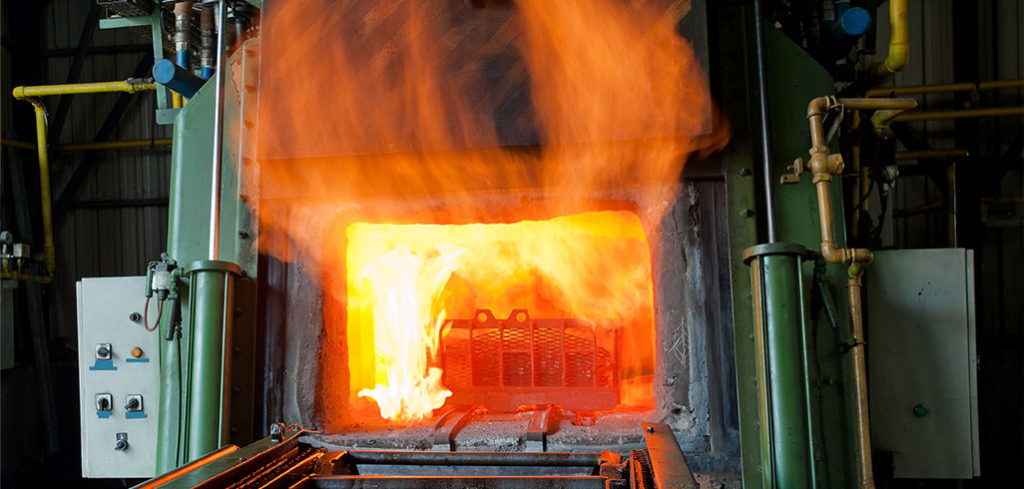
Carburisation Detection is a specialised inspection service used to identify carbon ingress and enrichment in metallic components exposed to carbon-rich environments at elevated temperatures. Carburisation leads to increased hardness, brittleness, and reduced ductility, significantly increasing failure risk.
This service is essential for components operating in reforming, cracking, and high-carbon process environments.
Why Carburisation Detection Is Required
Carburisation often progresses internally and remains undetected until cracking or sudden failure occurs. Detection allows early intervention before mechanical properties are severely compromised.
Scope of Inspection
Carburisation detection is applicable to:
Reformer tubes and furnace componentsHigh-temperature pipingAlloy steels and stainless steelsProcess equipment exposed to carbon-rich atmospheres
Inspection Methodology
Carburisation detection involves metallurgical evaluation, hardness profiling, and advanced inspection techniques to assess carbon penetration depth and material property changes. Findings are correlated with service exposure and operating conditions.
The results are used to evaluate component fitness, remaining life, and replacement requirements.
Key Benefits
This service enables early detection of embrittlement risk, supports safe operation, and improves life management of high-temperature components.
Industries and Applications
Applied in refineries, petrochemical plants, hydrogen units, fertilizer plants, and process industries with carburising environments.
Carburisation Detection provides critical insight into material degradation caused by carbon ingress. Early identification supports proactive integrity management and failure prevention.

-2.jpg)