.png)

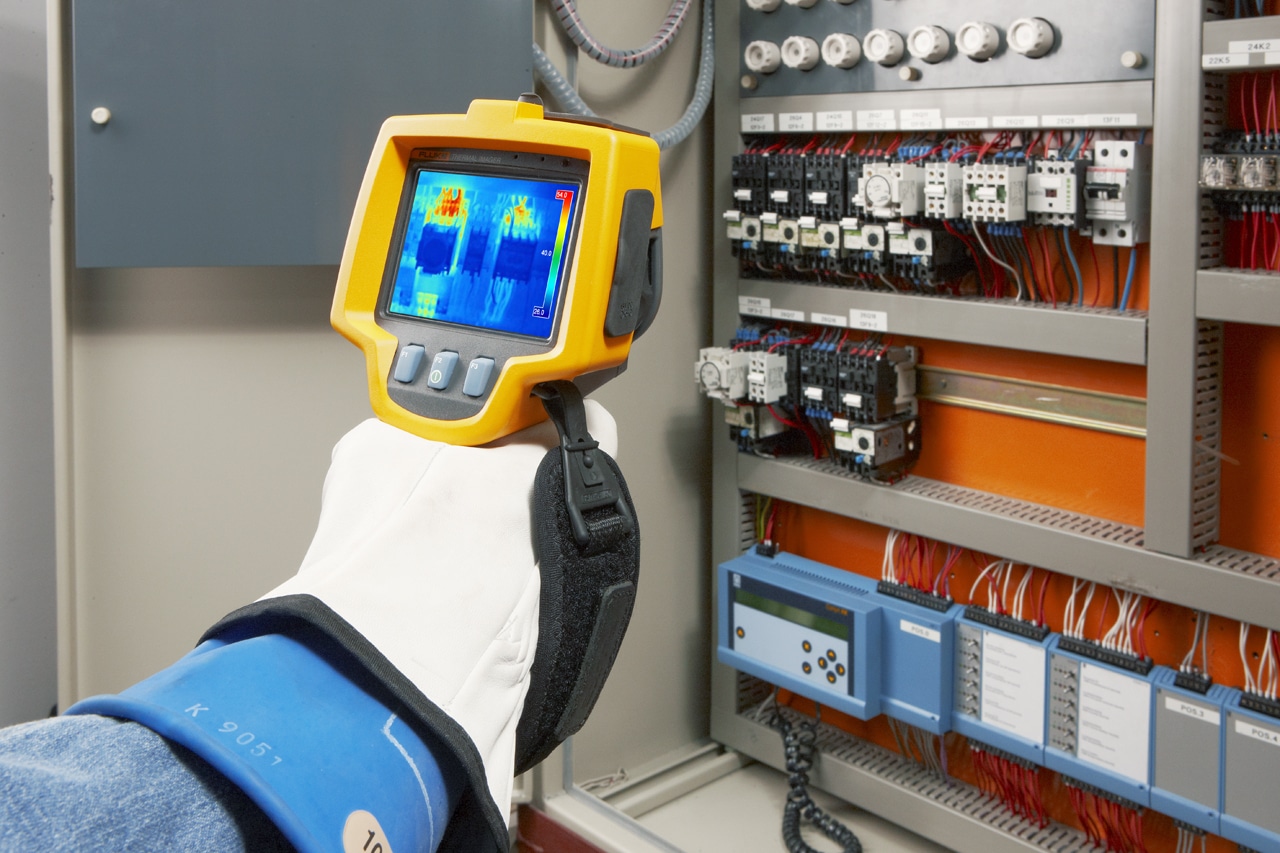
Leak Testing is a specialized non-destructive inspection service used to detect, locate, and quantify leaks in industrial systems, equipment, and assemblies. Even small leaks can lead to product loss, safety hazards, environmental damage, and efficiency reduction, making leak testing a critical part of asset integrity and quality assurance programs.
This service supports both preventive and diagnostic inspection by identifying leakage paths in pressurized systems, vacuum systems, sealed components, and process equipment. Leak testing is applied during fabrication, commissioning, maintenance, and troubleshooting activities.
Why Leak Testing Is Required
Leaks are often difficult to detect through visual inspection alone and may remain unnoticed until they cause serious operational or safety issues. Leak testing helps address challenges such as hidden leakage in pressurized systems, loss of containment, reduced system efficiency, contamination risk, and non-compliance with quality or regulatory requirements.
Early detection of leaks reduces downtime, prevents escalation of damage, and supports safe and reliable operation.
Scope of Leak Testing
Leak testing services are applicable to:
Pressure vessels and piping systemsHeat exchangers and condensersValves, flanges, and welded jointsVacuum systems and sealed assembliesProcess equipment and storage systems
The selection of leak testing method depends on required sensitivity, system design, and operating conditions.
Leak Testing Methodology
Leak testing is carried out using an engineering-driven approach that begins with understanding system configuration, operating parameters, test sensitivity requirements, and acceptance criteria. Based on these factors, appropriate leak detection techniques such as helium-based testing or airborne leak detection are selected.
Testing is performed under controlled conditions to ensure accuracy and repeatability. Detected leaks are analysed to determine their location, severity, and potential impact. The results are documented and used to support repair decisions, commissioning approval, or operational acceptance.
Key Benefits
Leak testing improves safety, prevents product loss, enhances system efficiency, supports quality assurance, and ensures compliance with industry and regulatory requirements.
Industries and Applications
Leak testing services are widely applied in oil and gas, refineries, petrochemical plants, power generation facilities, chemical industries, manufacturing units, and infrastructure projects.
Leak Testing provides a reliable and effective means of ensuring containment integrity across industrial systems. By identifying leaks early, this service supports safe operation, cost control, and long-term asset reliability.

-2.jpg)