Knowledge-Based Audit for Power Plants
12 September 2025
Knowledge-Based Audit for Power Plants is a structured, experience-driven assessment designed to evaluate the health, reliability, and risk profile of critical boiler and balance-of-plant systems. This audit goes beyond routine inspections by integrating metallurgical knowledge, operational data, inspection findings, and historical failure experience.
The objective is to identify hidden risks, dominant damage mechanisms, and performance limitations that directly impact plant reliability, efficiency, and availability. This service is often used as a foundational activity before conducting detailed remaining life assessments or major life extension programs.
Why Knowledge-Based Audit Is Required
Modern power plants operate under challenging conditions such as flexible operation, frequent start-stop cycles, load fluctuations, and ageing infrastructure. Knowledge-Based Audits help address issues including:
Recurrent boiler tube failures and forced outages
Lack of clarity on dominant damage mechanisms
Efficiency losses linked to material degradation
High maintenance cost and unplanned shutdowns
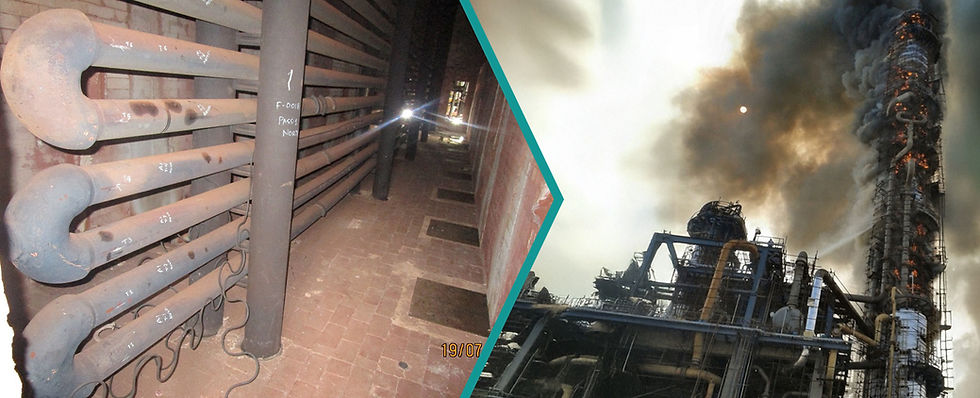
Risk of catastrophic failures in ageing units
Need for structured input for life extension planning
This audit provides a holistic view of plant health based on real failure experience rather than isolated inspection data.
Scope of Audit
The Knowledge-Based Audit typically covers:
Boiler pressure parts and critical piping
High-temperature and high-stress components
Historical failure data and damage trends
Operating philosophy and load cycling patterns
Inspection practices and maintenance strategies
The scope is tailored to plant configuration, unit rating, and operating history.
Audit Methodology
The Knowledge-Based Audit follows a systematic and experience-driven approach.
Review of design data, operating history, failure records, inspection reports, and maintenance practices.
Evaluation of damage mechanisms based on material behaviour, operating conditions, and historical failure trends.
Correlation of metallurgical degradation with operational practices such as cycling, overheating, and water chemistry.
Identification of high-risk components and systems prone to future failure.
Development of risk-ranked recommendations covering inspection focus, monitoring strategies, and corrective actions.
Integration of audit findings with remaining life assessment and life extension planning.
Tools, Techniques and Standards
Knowledge-Based Audits are supported by:
Metallurgical expertise and failure databases
Advanced NDT and inspection data interpretation
Operational data analysis
Engineering judgement based on industry experience
The audit methodology aligns with power industry best practices and complements statutory and engineering standards.
Key Benefits
Early identification of high-risk failure mechanisms
Reduction in forced outages and unplanned downtime
Improved boiler reliability and availability
Optimized inspection and maintenance focus
Strong technical basis for RLA and life extension
Better alignment between operations and asset integrity
Industries and Applications
This service is primarily applied in coal-based thermal power plants, captive power units, and industrial power generation facilities operating subcritical and supercritical boilers.
It is especially valuable for ageing units and plants undergoing operational changes or life extension programs.
Knowledge-Based Audit for Power Plants provides a practical and experience-driven understanding of plant health and failure risks. By integrating metallurgical knowledge with operational realities, this service enables proactive risk management, improved reliability, and informed long-term planning.


.png)
.png)

-2.jpg)



%20as%20per%20API-1104-2.jpg)