Structural Stability Assessment
& Certification
12 September 2025
Structural Stability Assessment and Certification is an engineering evaluation carried out to verify the load-bearing capacity, stability, and safety of structures under existing and proposed operating conditions. This service ensures that structures meet design intent, regulatory requirements, and safety standards throughout their service life.
The assessment is applicable to both new and existing structures, particularly those experiencing ageing, modifications, increased loading, or damage.
Why Structural Stability Assessment Is Required
Structural failures can lead to serious safety hazards and operational disruptions. Structural Stability Assessment helps address challenges such as:
Ageing structures operating beyond design life
Changes in operating loads or equipment additions
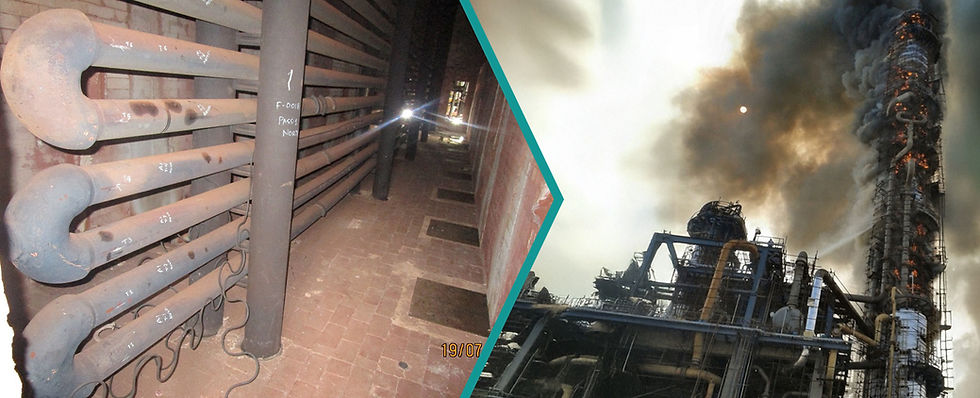
Damage due to corrosion, fire, or impact
Lack of documentation or design verification
Regulatory and statutory certification requirements
A structured assessment ensures continued safe use of structural assets.
Scope of Assessment
Structural Stability Assessment typically includes:
Industrial buildings and pipe racks
Equipment supporting structures and platforms
Chimneys, stacks, and towers
Foundations and load-bearing systems
Steel and reinforced concrete structures
Certification is provided based on assessment outcomes.
Assessment Methodology
Structural stability assessment follows a systematic engineering approach.
Review of design drawings, material specifications, and construction details.
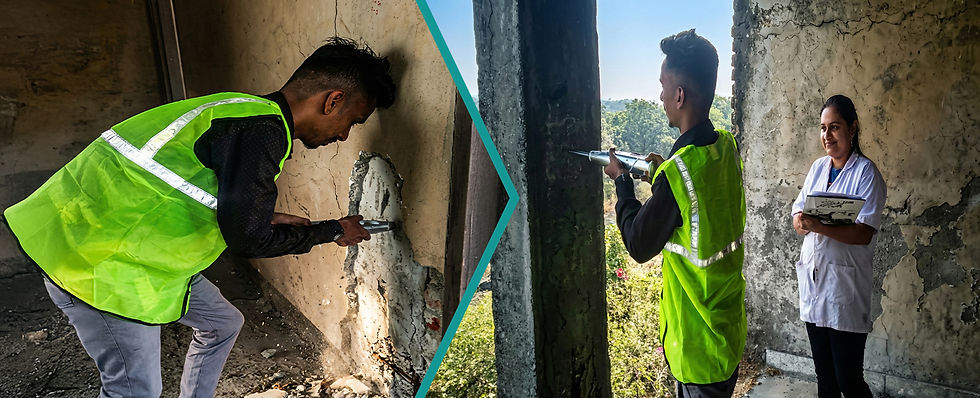
Visual inspection to identify corrosion, cracking, deformation, or distress.
Dimensional checks and load verification.
Structural analysis to evaluate stress levels, deflection, and stability under operating loads.
Verification against applicable design codes and safety factors.
Recommendations for strengthening, repair, or load restrictions where required.
Issuance of structural stability certification upon satisfactory evaluation.
Tools, Techniques and Standards
Structural assessments are supported by:
Structural analysis and design software
Field inspection and testing techniques
Engineering calculations and code checks
Assessments comply with applicable IS, ACI, AISC, and international structural design standards.
Key Benefits
Verified safety and load-bearing capacity
Compliance with statutory and regulatory requirements
Reduced risk of structural failure
Support for equipment addition or modification
Clear certification for continued operation
Industries and Applications
Structural Stability Assessment and Certification is widely applied in refineries, power plants, chemical and process industries, infrastructure projects, manufacturing facilities, and storage terminals.
Applications include industrial structures, pipe racks, platforms, equipment supports, and foundations.
Structural Stability Assessment and Certification ensures that structures remain safe, compliant, and fit for continued service. By combining field inspection with engineering analysis, this service provides confidence in structural integrity and operational safety.


.png)
.png)

-2.jpg)



%20as%20per%20API-1104-2.jpg)