Engineering Design Review
12 September 2025
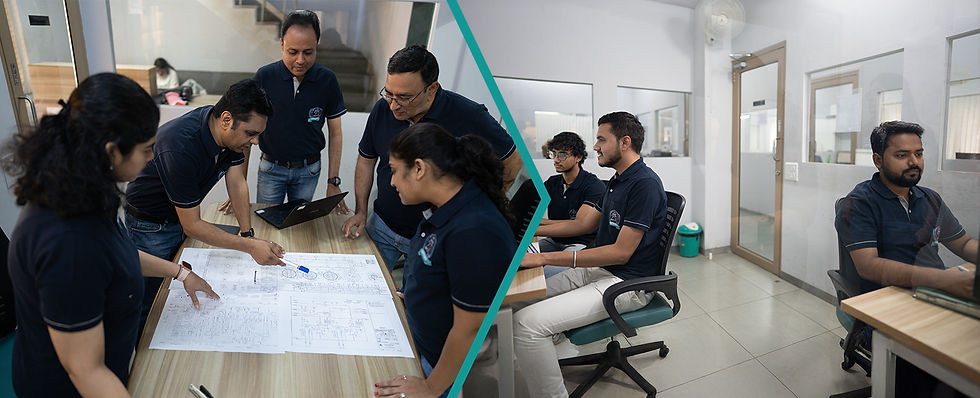
Engineering Design Review is a structured technical evaluation carried out to verify the adequacy, safety, and compliance of engineering designs before execution or during project modifications. The objective is to identify design gaps, risks, and improvement opportunities at an early stage, thereby preventing costly rework, operational issues, and safety incidents during construction or operation.
This service provides an independent and technically sound review of design documents, calculations, drawings, and specifications to ensure that the proposed design meets applicable codes, standards, and intended operating requirements.
Engineering Design Review is applicable to both new projects and brownfield modifications across process, mechanical, piping, and structural disciplines.
Why Engineering Design Review Is Required
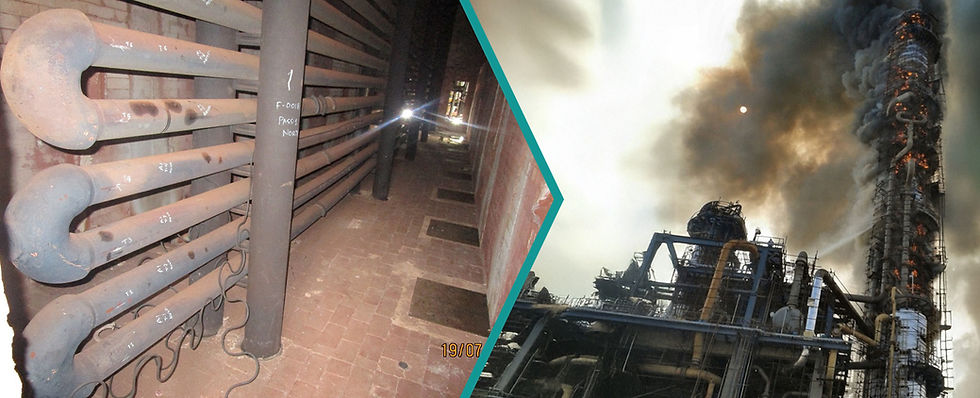
Design-related deficiencies are a major cause of operational issues and failures. Engineering Design Review helps address challenges such as:
Inadequate consideration of operating and environmental conditions
Non-compliance with applicable codes and standards
Design margins not aligned with service severity
Integration issues between different engineering disciplines
Risks associated with modifications or revamp projects
Prevention of constructability and operability issues
Early identification of design gaps significantly reduces downstream risk.
Scope of Design Review
Engineering Design Review typically covers:
Process design basis and operating philosophy
Mechanical and piping design
Pressure equipment and layout
Structural and support systems
Material selection and specifications
Safety, operability, and maintainability aspects
The scope is customized based on project phase and complexity.
Review Methodology
Engineering Design Review follows a systematic approach.
Review of design basis, specifications, drawings, and calculations.
Verification of compliance with applicable engineering codes and standards.
Assessment of load cases, operating scenarios, and design margins.
Evaluation of material selection with respect to service conditions.
Identification of risks related to fabrication, installation, and operation.
Documentation of observations, deviations, and improvement recommendations.
Support during design closure and resolution of review comments.
Tools, Techniques and Standards
Engineering Design Review is supported by:
Engineering calculations and design verification
Code and standard compliance checks
Multidisciplinary technical review
Risk and operability considerations
Reviews align with ASME, API, ASTM, IS, ISO, and project-specific standards.
Key Benefits
Early identification of design risks
Improved safety and reliability
Reduced rework and lifecycle cost
Enhanced constructability and operability
Compliance with engineering standards
Strong technical basis for project execution
Industries and Applications
Engineering Design Review is widely applied in oil and gas, refineries, petrochemical plants, power generation, fertilizer and chemical industries, EPC projects, and infrastructure developments.
Applications include new projects, plant expansions, debottlenecking, and revamp initiatives.
Engineering Design Review provides an independent and technically robust evaluation of engineering designs. By identifying gaps and risks early, this service supports safe execution, reliable operation, and long-term asset performance.


.png)
.png)

-2.jpg)



%20as%20per%20API-1104-2.jpg)