Fitness For Service (FFS) Assessment
12 September 2025
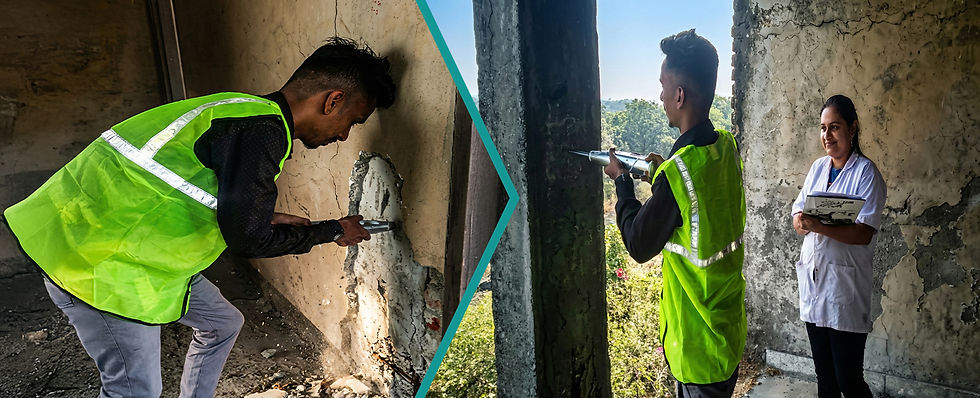
Fitness for Service Assessment is an engineering evaluation used to determine whether in-service equipment containing damage or degradation is fit to continue operating safely. Rather than relying solely on prescriptive design rules, FFS evaluates actual equipment condition against its operating requirements.
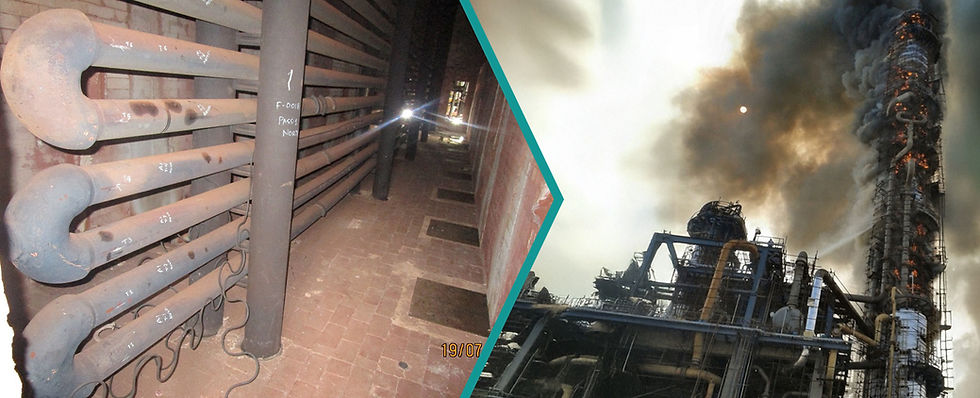
This service allows plant owners to make informed decisions regarding continued operation, repair, alteration, or replacement of pressure equipment and piping systems. Fitness for Service assessments are particularly valuable for ageing assets where damage such as corrosion, cracking, or deformation has been detected.
Why Fitness for Service Assessment Is Required
Industrial equipment often operates with known defects or degradation. Fitness for Service assessments help address challenges such as:
Equipment operating with corrosion, thinning, or cracks
Decisions on repair versus replacement
Operation beyond original design conditions
Avoidance of unnecessary shutdowns or conservative replacements
Regulatory and insurance compliance requirements
Risk-based maintenance planning
FFS provides a technically defensible basis for continued operation without compromising safety.
Scope of Fitness for Service Assessment
Fitness for Service assessments are applicable to:
Pressure vessels and columns
Heat exchangers and reactors
Process piping and pipelines
Storage tanks and associated nozzles
Welded joints and structural components
The assessment scope is defined based on equipment criticality and damage type.
Assessment Methodology
Fitness for Service assessment is carried out using a structured approach in line with recognized engineering standards.
Review of design data, material properties, operating conditions, and inspection findings.
Damage characterization to define type, size, location, and severity of defects.
Selection of appropriate assessment level based on damage complexity and available data.
Engineering calculations to evaluate stress, remaining strength, and safety margins.
Evaluation of future damage progression and remaining life where applicable.
Recommendations covering continued operation, repair requirements, operating limits, inspection intervals, or replacement.
Tools, Techniques and Standards
Fitness for Service assessments are performed in accordance with recognized standards and supported by:
API 579 / ASME FFS-1 methodology
Advanced non-destructive testing data
Engineering calculations and stress analysis
Material and fracture mechanics evaluation
All assessments follow traceable and auditable engineering practices.
Key Benefits
Safe continued operation of damaged equipment
Avoidance of unnecessary shutdowns and replacements
Optimized maintenance and inspection planning
Improved risk management and safety assurance
Strong technical justification for operational decisions
Support for regulatory and insurance reviews
Industries and Applications
Fitness for Service assessments are widely used in oil and gas, refineries, petrochemical plants, power generation, fertilizer and chemical industries, and heavy engineering sectors.
Applications include evaluation of corrosion damage, cracks, dents, misalignment, and material degradation in critical equipment.
Fitness for Service Assessments provide a reliable engineering basis to determine whether equipment with known damage can continue to operate safely. By evaluating actual condition against operating requirements, this service enables informed, cost-effective, and safety-focused asset management decisions.


.png)
.png)

-2.jpg)


%20as%20per%20API-1104-2.jpg)