.png)

High-Temperature Thickness Measurement is a specialized ultrasonic inspection technique used to measure wall thickness of components while they are operating at elevated temperatures. HTUT enables monitoring of corrosion and erosion without shutting down or cooling equipment.
This service is essential for continuous-process industries where shutdowns result in significant production loss.
Why HTUT Is Required
High-temperature equipment is often inaccessible for inspection during operation. HTUT allows real-time thickness measurement, enabling early detection of metal loss and supporting safe operation without interrupting production.
Scope of Inspection
HTUT is applicable to high-temperature piping, boilers, heater tubes, reformer components, and process equipment operating under elevated temperatures.
Inspection Methodology
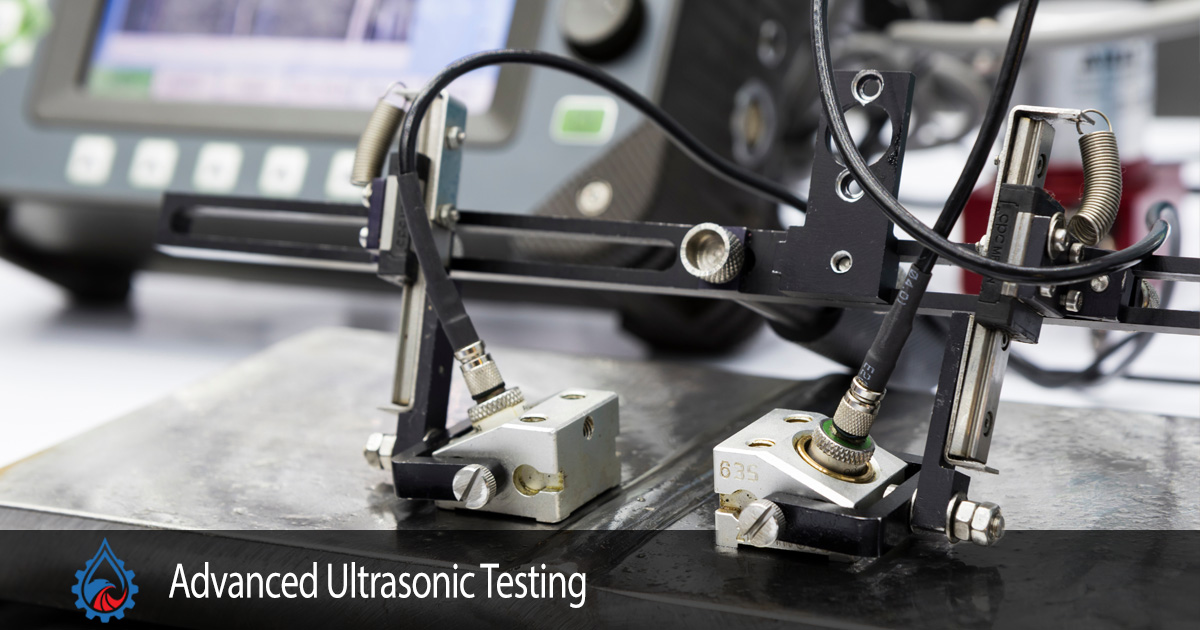
HTUT inspection is carried out using specialized high-temperature probes and couplants suitable for elevated surface temperatures. Thickness measurements are taken at predefined locations while compensating for temperature effects on ultrasonic velocity.
Measured data is trended over time to evaluate corrosion or erosion rates. Results are interpreted by engineers to support remaining life assessment and maintenance planning.
Key Benefits
HTUT enables thickness measurement without shutdown, improves safety, provides real-time corrosion data, and supports remaining life evaluation.
Industries and Applications
HTUT is widely applied in refineries, petrochemical plants, power generation units, fertilizer plants, and high-temperature process industries.
High-Temperature Thickness Measurement provides critical insight into asset condition during operation. By enabling real-time monitoring of metal loss, HTUT supports reliable operation and informed maintenance decisions.

-2.jpg)