.png)

High-Temperature Hydrogen Attack detection is a specialised inspection service used to identify hydrogen-related damage in carbon steel and low-alloy steel components operating in high-temperature hydrogen environments. HTHA leads to decarburisation, methane formation, and irreversible loss of mechanical strength.
Early detection is critical, as HTHA damage progresses internally without visible surface indications.
Why HTHA Detection Is Required
HTHA can cause sudden and catastrophic failure if undetected. Traditional inspection methods are often ineffective in identifying early-stage damage. Specialised techniques are required to assess microstructural changes and material degradation.
HTHA detection supports safe continued operation and timely replacement planning.
Scope of Inspection
HTHA detection is applicable to:
Hydrogen service pipingPressure vessels and reactorsHeat exchangers and reformer componentsCarbon steel and low-alloy steel equipment
Inspection Methodology
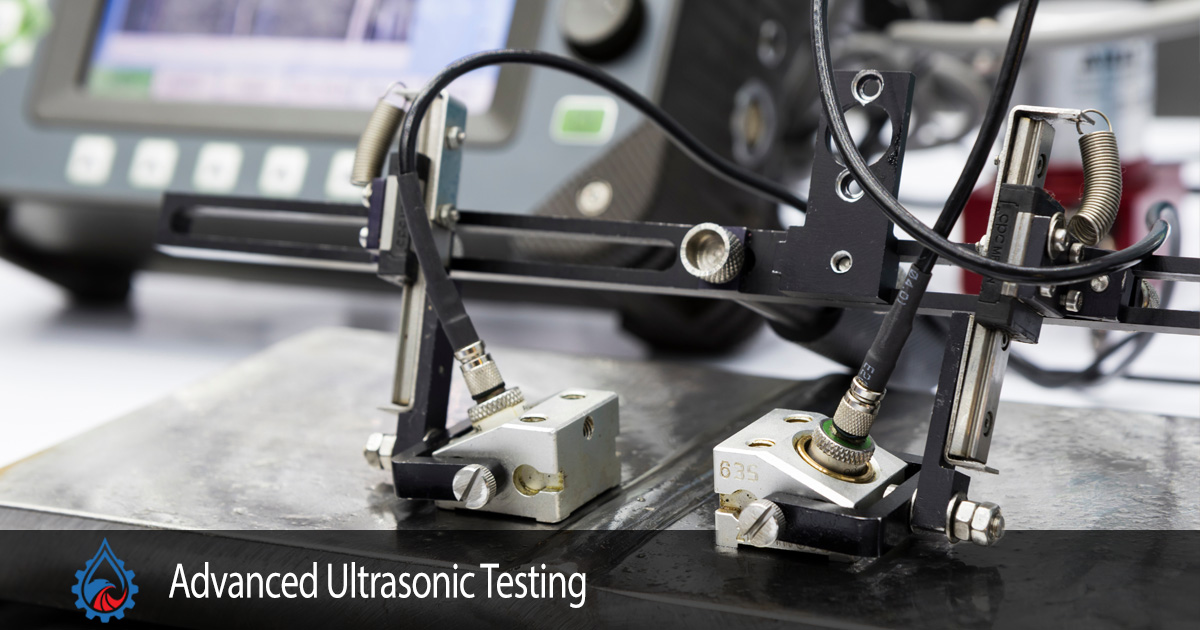
HTHA detection involves advanced ultrasonic and metallurgical evaluation techniques combined with material condition assessment. Inspection data is correlated with operating temperature, hydrogen partial pressure, and material composition.
Findings are interpreted to determine presence, extent, and severity of hydrogen attack and to support integrity and life assessment decisions.
Key Benefits
HTHA detection enables early identification of irreversible damage, prevents catastrophic failures, and supports risk-based asset management.
Industries and Applications
Widely applied in refineries, petrochemical plants, hydrogen units, ammonia plants, and fertilizer industries.
HTHA Detection provides a critical safeguard for equipment operating in hydrogen environments. By identifying damage early, this service protects safety, reliability, and long-term asset integrity.

-2.jpg)