.png)

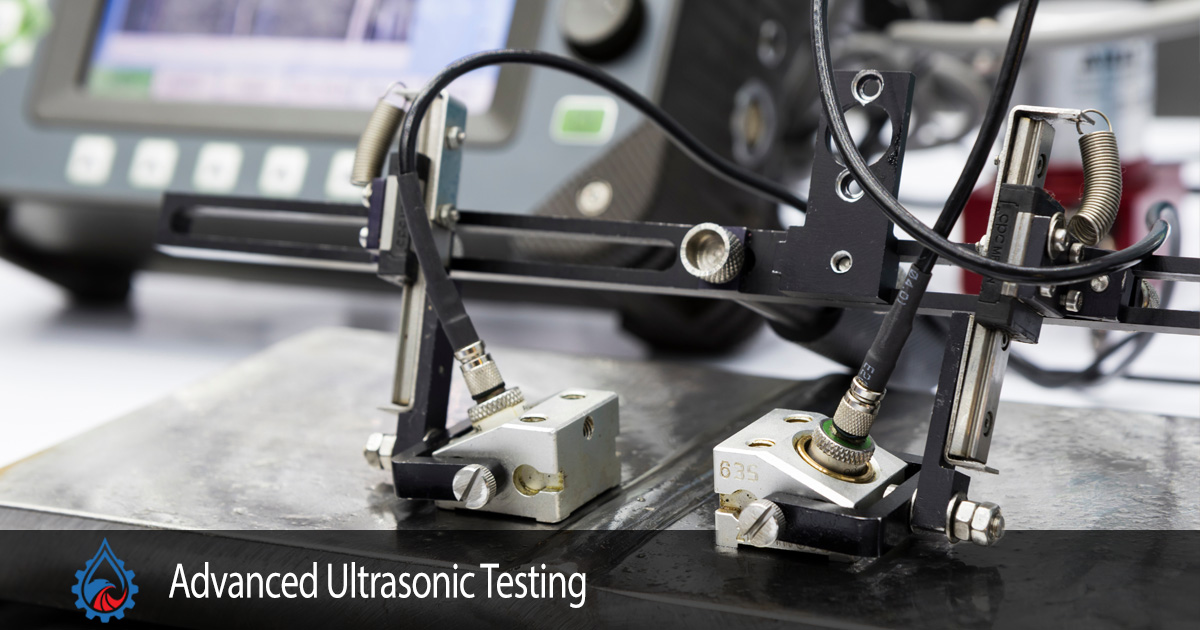
Short Range Ultrasonic Testing is a guided wave ultrasonic technique used for focused inspection of shorter pipe sections where higher sensitivity is required. SRUT is particularly suitable for detecting localized corrosion or metal loss near supports, clamps, and other high-risk areas.
This technique bridges the gap between long-range screening and localized ultrasonic inspection.
Why SRUT Is Required
Certain piping areas are prone to localized damage but are difficult to access using conventional inspection techniques. SRUT provides higher resolution over shorter distances, enabling more accurate detection of localized defects without extensive surface preparation.
Scope Of Inspection
SRUT is applicable to short piping sections, pipe supports, clamps, road crossings, sleepers, and other localized high-risk zones.
Inspection Methodology
SRUT inspection is performed by generating guided ultrasonic waves over a defined short section of the pipe. The inspection setup is optimized to provide higher sensitivity compared to long-range techniques, allowing detection of localized corrosion or defects.
Reflected signals are analysed to determine defect location and relative extent. Based on the findings, recommendations are made for follow-up inspection or monitoring of identified areas.
Key Benefits
SRUT offers improved sensitivity for localized defects, inspection of inaccessible areas, and efficient screening of high-risk pipe locations.
Industries and Applications
SRUT is used in refineries, petrochemical plants, power generation facilities, and industrial piping networks.
Short Range Ultrasonic Testing provides focused and reliable inspection of localized pipe sections, supporting proactive integrity management and targeted maintenance actions.

-2.jpg)