.png)

HIC Damage Assessment is a specialised non-destructive evaluation service used to detect and assess Hydrogen Induced Cracking in carbon steel and low-alloy steel components operating in hydrogen or sour service environments. HIC is a serious degradation mechanism that develops internally due to the diffusion and accumulation of atomic hydrogen, leading to cracking, blistering, and loss of mechanical integrity.
This service is critical for ensuring safe operation of pressure equipment and piping exposed to hydrogen sulphide or hydrogen-generating environments, where damage may not be visible on the surface until failure occurs.
Why HIC Damage Assessment Is Required
Hydrogen induced cracking progresses internally and often without external warning signs. If undetected, it can result in sudden leaks, rupture, or catastrophic failure. Conventional inspection techniques may not reliably detect internal cracking patterns associated with HIC.
HIC damage assessment provides early identification of internal cracking, enabling timely repair, derating, or replacement decisions to prevent failure.
Scope of Inspection
HIC damage assessment is applicable to:
Carbon steel and low-alloy steel pressure vesselsProcess piping and pipelinesHeat exchangers and separatorsStorage tanks and associated componentsEquipment operating in sour or hydrogen service
Inspection Methodology
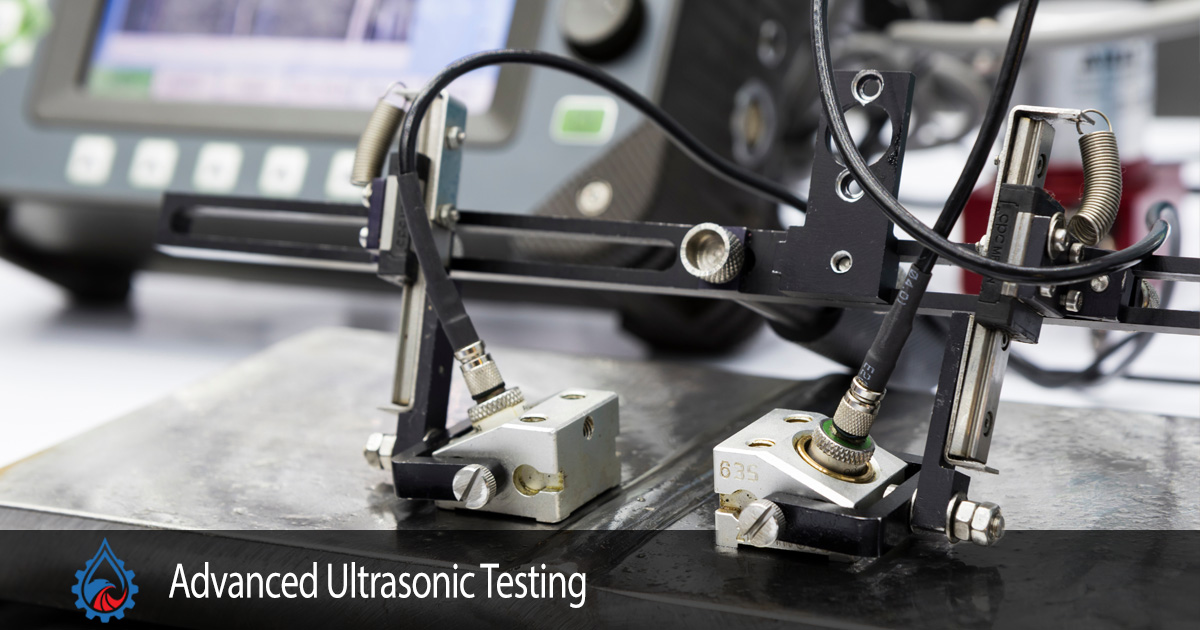
HIC damage assessment is carried out using advanced ultrasonic inspection techniques capable of detecting internal planar defects, crack clusters, and laminations. Inspection planning begins with review of material grade, operating conditions, hydrogen exposure history, and applicable sour service standards.
Ultrasonic data is acquired to identify crack orientation, depth, and distribution within the component thickness. Where required, results are correlated with metallurgical evaluation and service conditions to confirm damage mechanism and severity. Findings are interpreted by integrity and metallurgical specialists to assess remaining fitness for service and define appropriate mitigation actions.
Key Benefits
HIC damage assessment enables early detection of internal cracking, reduces risk of sudden failure, supports integrity and fitness-for-service evaluations, and improves safety in hydrogen and sour service applications.
Industries and Applications
This service is widely applied in refineries, petrochemical plants, oil and gas facilities, fertilizer units, chemical industries, and processing plants operating in hydrogen or sour environments.
HIC Damage Assessment provides a reliable method for identifying and evaluating internal hydrogen-related cracking. By detecting damage before it leads to failure, this service supports safe operation, regulatory compliance, and long-term asset integrity.

-2.jpg)