Electro Magnetic Acoustic Transducer Testing is an advanced non-destructive testing technique that uses electromagnetic principles to generate and receive ultrasonic waves directly within conductive or ferromagnetic materials. Unlike conventional ultrasonic testing, EMAT does not require physical contact, couplant, or surface preparation, making it highly suitable for inspection in harsh operating environments.
EMAT is widely used for inspection of components operating at high temperatures, with rough surfaces, coatings, or scale, where conventional ultrasonic techniques are impractical or unreliable.
Why EMAT Testing Is Required
Many industrial assets cannot be inspected effectively using conventional ultrasonic methods due to surface condition, temperature, or accessibility constraints. EMAT testing addresses challenges such as inspection of hot components, oxidized or scaled surfaces, coated materials, and situations where couplant application is not possible.
This technique enables reliable inspection without interrupting operation or extensive surface preparation.
Scope of Inspection
EMAT testing is applicable to:
High-temperature piping and componentsBoiler tubes and furnace componentsPlates, pipes, and welded jointsFerromagnetic and electrically conductive materialsComponents with rough, corroded, or coated surfaces
Inspection Methodology
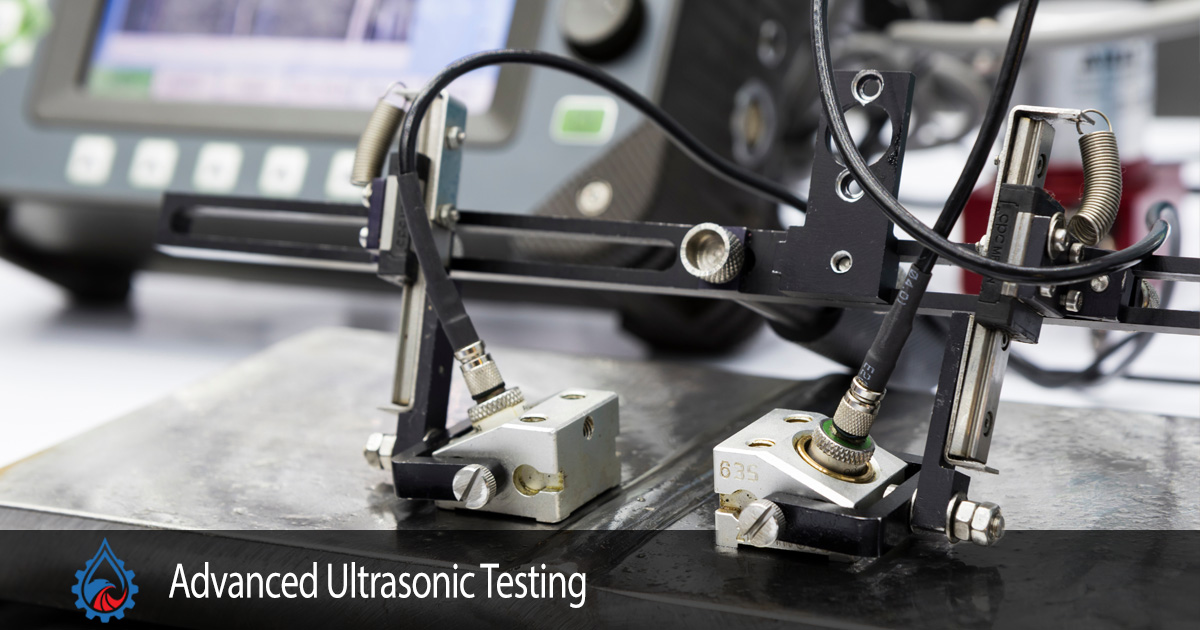
EMAT inspection is carried out by placing the EMAT probe near the surface of the component, where electromagnetic fields generate ultrasonic waves directly within the material. The absence of physical contact eliminates the need for couplant and allows inspection at elevated temperatures.
The generated ultrasonic waves propagate through the material and reflect from defects such as cracks, wall thinning, or laminations. The received signals are analysed to detect and characterize defects. Inspection results are interpreted by qualified NDT engineers to assess component integrity and suitability for continued operation.
Key Benefits
EMAT enables inspection without couplant, supports high-temperature inspection, reduces surface preparation requirements, allows rapid scanning, and provides reliable detection of defects in challenging conditions.
Industries and Applications
EMAT testing is widely applied in power plants, refineries, petrochemical facilities, steel plants, fertilizer units, and other industries operating high-temperature or difficult-to-access equipment.
Electro Magnetic Acoustic Transducer Testing provides a robust and flexible inspection solution for challenging environments. By enabling non-contact ultrasonic inspection, EMAT supports reliable integrity assessment and improved asset availability.

-2.jpg)